Buy wirtschaftsförderung.eu ?
We are moving the project
wirtschaftsförderung.eu .
Are you interested in purchasing the domain
wirtschaftsförderung.eu ?
domain@kv-gmbh.de · 0541-91531010
Buy wirtschaftsförderung.eu ?
What is globalization?
Globalization is the process of increased interconnectedness and interdependence among countries, economies, cultures, and people around the world. It involves the exchange of goods, services, information, technology, and ideas across borders, leading to a more integrated and interconnected global economy. Globalization has been facilitated by advancements in technology, communication, and transportation, allowing for easier and faster movement of goods, services, and people across the globe. This interconnectedness has both positive and negative impacts, influencing economies, cultures, and societies worldwide. **
Why is globalization?
Globalization is the process of increased interconnectedness and interdependence among countries, economies, and cultures. It is driven by advancements in technology, communication, and transportation, which have made it easier for people, goods, and information to move across borders. Globalization has led to increased trade, investment, and cultural exchange, and has also facilitated the spread of ideas and knowledge. It has both positive and negative impacts, as it can lead to economic growth and cultural diversity, but also to inequality and environmental degradation. Overall, globalization is a complex and multifaceted phenomenon that reflects the interconnectedness of the modern world. **


Similar search terms for Globalization
Top-Angebote
Products related to Globalization:
-
Malcolm Gladwell The Bomber Mafia: A Tale Of Innovation And Obsession - PaperbackTitle:. The Bomber Mafia: A Tale of Innovation and Obsession Condition: BRAND NEW. Format: Paperback. ISBN: 9789123504503 Overview:. In The Bomber Mafia, Malcolm Gladwell delivers a compelling, rigorous exploration of a pivotal moment in military history when a small circle of visionaries believed that air power could end ground warfare as we know it. Set against the backdrop of Maxwell Field in central Alabama and the wider prewar race for technological supremacy, the book introduces a Dutch genius and his 55-pound analog computer—the Norden bombsight—alongside a cast of unforgettable characters: Churchill’s closest confidant, Harvard chemists who tinkered with incendiaries, a pilot who kept morale with vaudeville tunes, and the bomber commander Curtis LeMay, whose later campaigns became the subject of fierce debate. Gladwell threads together innovation, ambition, and ethics, asking whether precision bombing promised a cleaner, more humane form of war or whether the human cost would always outpace the mathematics. The narrative is accessible to curious readers and history buffs alike, weaving science, strategy, and storytelling into a rich examination of how one grand idea can reshape history—and how often reality tests the limits of imagination. This is non-fiction that reads with the speed and suspense of a gripping narrative whodunit, prompting readers to reconsider progress, responsibility, and the costs of “better war.” What Makes This Book Stand Out:. Gladwell’s The Bomber Mafia distinguishes itself through its inventive blend of biography, technological history, and ethical inquiry. It centers on a high-stakes hypothesis—could precision bombing forever alter the calculus of war—and follows a diverse ensemble: a reclusive Dutch engineer, the band of American airmen at Maxwell Field, and the Harvard chemists whose incendiaries shifted the battlefield. The author’s signature storytelling style turns complex ideas into human-scale drama, inviting readers to inhabit the minds of innovators who believed they could redefine combat. Beyond history, the book probes the seductive optimism of technology, the moral weight of civilian casualties, and the fraught relationship between bold experimentation and real-world consequences. Readers are treated to vivid scenes, crisp character portraits, and a thoughtful meditation on whether progress in theory survives the mud and blood of actual conflict. It is a book that rewards both page-turning appetite and careful discussion in study groups, podcasts, or classroom settings. In short, it’s an accessible, provocative history that challenges our assumptions about invention, courage, and consequence. Who This Book Is Perfect For:. History enthusiasts, science-minded readers, and anyone curious about how big ideas collide with the harsh physics of war will find this book indispensable. It suits fans of narrative non-fiction, political history, and ethical debates around technology. Perfect for book clubs,...3,99 £*Shipping: 2,99 £Secure redirect to the provider
-
Make Brilliant Work: Lessons on Creativity, Innovation, and Success by Rod JudkinsDescription. Condition: BRAND NEW. Format: Paperback. Make Brilliant Work is an inspiring guide to unlocking your creative potential, showing you the methods and techniques that will transform your efforts and help you achieve your best ever work.. You don’t have to be brilliant to produce brilliant work. Many of the characters you will meet in this book failed at school, lacked natural talent, were not especially gifted or were repeatedly sacked. But their methods produced brilliant work – and they will work for you, too. Make Brilliant Work is the essential book from Rod Judkins, author of the international bestseller The Art of Creative Thinking.. Whatever your creative endeavour, you might find it hard to produce something significant and important. The real-life heroes in this book will show you how to make the transformation from ordinary to extraordinary. From Frida Kahlo to Steve Jobs, and star architect Zaha Hadid: the figures in Make Brilliant Work will show you how to think for yourself, take risks and persevere to create brilliant work.. Title. Make Brilliant Work: Lessons on Creativity, Innovation, and Success by Rod Judkins. Delivery. Content. Reviews2,49 £*Shipping: 2,99 £Secure redirect to the provider


-
What does globalization mean?
Globalization refers to the interconnectedness and integration of economies, cultures, societies, and technologies on a global scale. It involves the exchange of goods, services, ideas, and information across borders, leading to increased interdependence among nations. Globalization has been facilitated by advancements in communication and transportation technologies, allowing for easier and faster interactions between people and businesses worldwide. This phenomenon has both positive and negative impacts, influencing various aspects of life such as trade, politics, culture, and the environment. **
-
Does globalization destroy culture?
Globalization can have both positive and negative impacts on culture. On one hand, it can lead to the spread of ideas, values, and traditions across borders, promoting cultural exchange and understanding. However, it can also result in the homogenization of cultures, as Western ideals and consumerism become dominant, potentially eroding local traditions and identities. Ultimately, the impact of globalization on culture depends on how it is managed and whether efforts are made to preserve and celebrate diverse cultural expressions. **
-
What conflicts arise from globalization?
Globalization can lead to conflicts related to economic inequality, as it often benefits wealthier nations and individuals at the expense of poorer ones. Cultural clashes can also occur as traditional values and practices are challenged by outside influences. Additionally, environmental conflicts can arise due to increased resource consumption and pollution associated with global trade and production. **
-
How does globalization affect me?
Globalization affects individuals in various ways, including increased access to goods and services from around the world, exposure to different cultures and ideas, and opportunities for international travel and work. It can also lead to job competition from workers in other countries and the outsourcing of jobs to lower-cost regions. Additionally, globalization can impact local economies and environments as companies expand their operations globally. Overall, globalization can bring both benefits and challenges to individuals depending on their circumstances and perspectives. **

What is globalization simply explained?
Globalization is the process of increased interconnectedness and interdependence among countries, economies, and cultures. It involves the exchange of goods, services, information, and ideas across national borders, leading to a more integrated and interconnected world. Globalization is driven by advancements in technology, communication, and transportation, which have made it easier for people, businesses, and governments to interact and collaborate on a global scale. This has led to both opportunities and challenges, as it has facilitated economic growth and cultural exchange, but also raised concerns about inequality, environmental impact, and loss of local traditions. **
Does globalization depend on politics?
Yes, globalization depends on politics to a large extent. Political decisions and policies have a significant impact on the extent and nature of globalization. Governments negotiate trade agreements, set immigration policies, and regulate financial markets, all of which influence the flow of goods, services, people, and capital across borders. Additionally, political stability and cooperation between countries are crucial for the smooth functioning of global trade and investment. Therefore, politics plays a crucial role in shaping the globalized world we live in. **
Top-Angebote
Products related to Globalization:
-
Peter Zeihan The End of the World Is Just the Beginning: Mapping the Collapse of GlobalizationDescription. Title:. The End of the World Is Just the Beginning:. Condition :BRAND NEW. Format :Hardcover. ISBN : Peter Zeihan. Globe-spanning supply chains are only possible with the protection of the U.S. Navy. The American dollar underpins internationalized energy and financial markets. Complex, innovative industries were created to satisfy American consumers. American security policy forced warring nations to lay down their arms. Billions of people have been fed and educated as the American-led trade system spread across the globe.. Title. The End of the World Is Just the Beginning: Mapping the Collapse of Globalization. Delivery. Content. Reviews. ginning: Mapping the Collapse of Globalization18,99 £*Shipping: 2,99 £Secure redirect to the provider
-
Thunderworks Games Tenpenny Parks Innovation Expansion - Strategic Park ManagementTake your Tenpenny Parks experience further with the Innovation expansion from Thunderworks Games. Develop new ideas for your park, recruit additional specialists, and introduce exciting novelties that can change the way you plan and build. This expansion adds fresh strategic options to the park-management gameplay of Tenpenny Parks. Use research to improve your development plans, bring new specialists into your team, and create more distinctive attractions as you compete to shape a successful park. What’s included: Key features: - New innovation-focused content for Tenpenny Parks - Additional specialists to support your plans - New research and novelty options - More strategic choices during development Please note: This is an expansion and requires the Tenpenny Parks base game to play. It is suitable for players who want to add variety and further strategic depth to their existing game.35,99 £*Shipping: 3,95 £Secure redirect to the provider
-
Malcolm Gladwell The Bomber Mafia: A Tale Of Innovation And Obsession - PaperbackTitle:. The Bomber Mafia: A Tale of Innovation and Obsession Condition: BRAND NEW. Format: Paperback. ISBN: 9789123504503 Overview:. In The Bomber Mafia, Malcolm Gladwell delivers a compelling, rigorous exploration of a pivotal moment in military history when a small circle of visionaries believed that air power could end ground warfare as we know it. Set against the backdrop of Maxwell Field in central Alabama and the wider prewar race for technological supremacy, the book introduces a Dutch genius and his 55-pound analog computer—the Norden bombsight—alongside a cast of unforgettable characters: Churchill’s closest confidant, Harvard chemists who tinkered with incendiaries, a pilot who kept morale with vaudeville tunes, and the bomber commander Curtis LeMay, whose later campaigns became the subject of fierce debate. Gladwell threads together innovation, ambition, and ethics, asking whether precision bombing promised a cleaner, more humane form of war or whether the human cost would always outpace the mathematics. The narrative is accessible to curious readers and history buffs alike, weaving science, strategy, and storytelling into a rich examination of how one grand idea can reshape history—and how often reality tests the limits of imagination. This is non-fiction that reads with the speed and suspense of a gripping narrative whodunit, prompting readers to reconsider progress, responsibility, and the costs of “better war.” What Makes This Book Stand Out:. Gladwell’s The Bomber Mafia distinguishes itself through its inventive blend of biography, technological history, and ethical inquiry. It centers on a high-stakes hypothesis—could precision bombing forever alter the calculus of war—and follows a diverse ensemble: a reclusive Dutch engineer, the band of American airmen at Maxwell Field, and the Harvard chemists whose incendiaries shifted the battlefield. The author’s signature storytelling style turns complex ideas into human-scale drama, inviting readers to inhabit the minds of innovators who believed they could redefine combat. Beyond history, the book probes the seductive optimism of technology, the moral weight of civilian casualties, and the fraught relationship between bold experimentation and real-world consequences. Readers are treated to vivid scenes, crisp character portraits, and a thoughtful meditation on whether progress in theory survives the mud and blood of actual conflict. It is a book that rewards both page-turning appetite and careful discussion in study groups, podcasts, or classroom settings. In short, it’s an accessible, provocative history that challenges our assumptions about invention, courage, and consequence. Who This Book Is Perfect For:. History enthusiasts, science-minded readers, and anyone curious about how big ideas collide with the harsh physics of war will find this book indispensable. It suits fans of narrative non-fiction, political history, and ethical debates around technology. Perfect for book clubs,...3,99 £*Shipping: 2,99 £Secure redirect to the provider
-
Make Brilliant Work: Lessons on Creativity, Innovation, and Success by Rod JudkinsDescription. Condition: BRAND NEW. Format: Paperback. Make Brilliant Work is an inspiring guide to unlocking your creative potential, showing you the methods and techniques that will transform your efforts and help you achieve your best ever work.. You don’t have to be brilliant to produce brilliant work. Many of the characters you will meet in this book failed at school, lacked natural talent, were not especially gifted or were repeatedly sacked. But their methods produced brilliant work – and they will work for you, too. Make Brilliant Work is the essential book from Rod Judkins, author of the international bestseller The Art of Creative Thinking.. Whatever your creative endeavour, you might find it hard to produce something significant and important. The real-life heroes in this book will show you how to make the transformation from ordinary to extraordinary. From Frida Kahlo to Steve Jobs, and star architect Zaha Hadid: the figures in Make Brilliant Work will show you how to think for yourself, take risks and persevere to create brilliant work.. Title. Make Brilliant Work: Lessons on Creativity, Innovation, and Success by Rod Judkins. Delivery. Content. Reviews2,49 £*Shipping: 2,99 £Secure redirect to the provider
-
What is globalization?
Globalization is the process of increased interconnectedness and interdependence among countries, economies, cultures, and people around the world. It involves the exchange of goods, services, information, technology, and ideas across borders, leading to a more integrated and interconnected global economy. Globalization has been facilitated by advancements in technology, communication, and transportation, allowing for easier and faster movement of goods, services, and people across the globe. This interconnectedness has both positive and negative impacts, influencing economies, cultures, and societies worldwide. **
-
Why is globalization?
Globalization is the process of increased interconnectedness and interdependence among countries, economies, and cultures. It is driven by advancements in technology, communication, and transportation, which have made it easier for people, goods, and information to move across borders. Globalization has led to increased trade, investment, and cultural exchange, and has also facilitated the spread of ideas and knowledge. It has both positive and negative impacts, as it can lead to economic growth and cultural diversity, but also to inequality and environmental degradation. Overall, globalization is a complex and multifaceted phenomenon that reflects the interconnectedness of the modern world. **
-
What does globalization mean?
Globalization refers to the interconnectedness and integration of economies, cultures, societies, and technologies on a global scale. It involves the exchange of goods, services, ideas, and information across borders, leading to increased interdependence among nations. Globalization has been facilitated by advancements in communication and transportation technologies, allowing for easier and faster interactions between people and businesses worldwide. This phenomenon has both positive and negative impacts, influencing various aspects of life such as trade, politics, culture, and the environment. **
-
Does globalization destroy culture?
Globalization can have both positive and negative impacts on culture. On one hand, it can lead to the spread of ideas, values, and traditions across borders, promoting cultural exchange and understanding. However, it can also result in the homogenization of cultures, as Western ideals and consumerism become dominant, potentially eroding local traditions and identities. Ultimately, the impact of globalization on culture depends on how it is managed and whether efforts are made to preserve and celebrate diverse cultural expressions. **
Similar search terms for Globalization
-
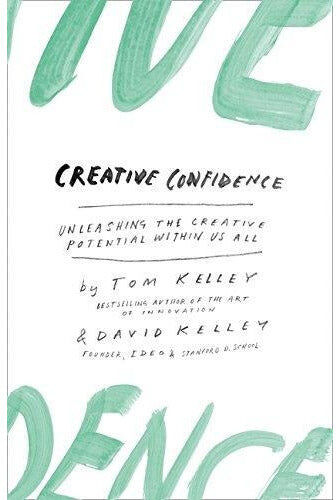
HARPERCOLLINS Creative Confidence by Tom & David Kelley – Unleashing Your Creative Potential & Innovation MindsetA powerful and inspiring book from the founders of IDEO, the award-winning design firm, on unleashing the creativity that lies within each and every one of us. Too often, companies and individuals assume that creativity and innovation are the domain of the ‘creative types’. But two of the foremost experts in innovation, design and creativity on the planet show us that each and every one of us is creative. In an entertaining and inspiring narrative that draws on countless stories from their work at IDEO, and with many of the world's top companies and design firms, David and Tom Kelley identify the principles and strategies that will allow us to tap into our creative potential in our work lives, and in our personal lives, allow us to think outside the box in terms of how we approach and solve problems. ‘Creative Confidence’ is a book that will help each of us be more productive and successful in our lives and in our careers.4,95 £*Shipping: 1,99 £Secure redirect to the provider
-
Krepinevich Origins of Victory: How Disruptive Military Innovation Determines the Fates of Great PowersDescription. The Precision Warfare Revolution introduced by the U.S. military in the First Gulf War found the United States enjoying a near monopoly in this form of warfare for several decades. But now other powers have these capabilities. The U.S. military also confronts an emerging military revolution driven by advances across a wide range of technologies―from artificial intelligence and synthetic biology to quantum computing and additive manufacturing.. Title. Origins of Victory: How Disruptive Military Innovation Determines the Fates of Great Powers. Delivery. Content. Reviews99,99 £*Shipping: 0,00 £Secure redirect to the provider
-
What conflicts arise from globalization?
Globalization can lead to conflicts related to economic inequality, as it often benefits wealthier nations and individuals at the expense of poorer ones. Cultural clashes can also occur as traditional values and practices are challenged by outside influences. Additionally, environmental conflicts can arise due to increased resource consumption and pollution associated with global trade and production. **
-
How does globalization affect me?
Globalization affects individuals in various ways, including increased access to goods and services from around the world, exposure to different cultures and ideas, and opportunities for international travel and work. It can also lead to job competition from workers in other countries and the outsourcing of jobs to lower-cost regions. Additionally, globalization can impact local economies and environments as companies expand their operations globally. Overall, globalization can bring both benefits and challenges to individuals depending on their circumstances and perspectives. **
-
What is globalization simply explained?
Globalization is the process of increased interconnectedness and interdependence among countries, economies, and cultures. It involves the exchange of goods, services, information, and ideas across national borders, leading to a more integrated and interconnected world. Globalization is driven by advancements in technology, communication, and transportation, which have made it easier for people, businesses, and governments to interact and collaborate on a global scale. This has led to both opportunities and challenges, as it has facilitated economic growth and cultural exchange, but also raised concerns about inequality, environmental impact, and loss of local traditions. **
-
Does globalization depend on politics?
Yes, globalization depends on politics to a large extent. Political decisions and policies have a significant impact on the extent and nature of globalization. Governments negotiate trade agreements, set immigration policies, and regulate financial markets, all of which influence the flow of goods, services, people, and capital across borders. Additionally, political stability and cooperation between countries are crucial for the smooth functioning of global trade and investment. Therefore, politics plays a crucial role in shaping the globalized world we live in. **
* All prices are inclusive of VAT and, if applicable, plus shipping costs. The offer information is based on the details provided by the respective shop and is updated through automated processes. Real-time updates do not occur, so deviations can occur in individual cases. ** Note: Parts of this content were created by AI.